





Psychological Assessment Lab

The Psychology of Waiting in Business
Waiting is rarely a neutral experience in business. The same period of delay can create anticipation, uncertainty, frustration, or even a perception of greater value, depending on how it is interpreted. This article explores how waiting influences trust, negotiation, customer behavior, and commercial decision-making.

The Psychology of Business Timing
In business, a correct decision can produce very different outcomes depending on when it is made. Timing influences how people perceive risk, opportunity, urgency, and value. This article explores why businesses sometimes succeed not because they made a different decision, but because they made it at a different moment.
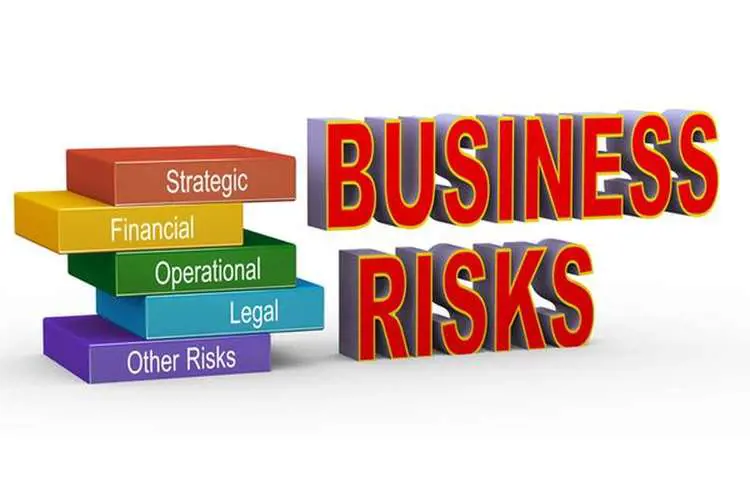
When Confidence Becomes a Business Risk
Confidence is essential for leadership, negotiation, and entrepreneurship, but excessive confidence can distort how risks and opportunities are perceived. Successful managers may become particularly vulnerable when previous achievements reinforce their belief in their own judgment. This article explores when confidence stops supporting decision-making and begins to undermine it.
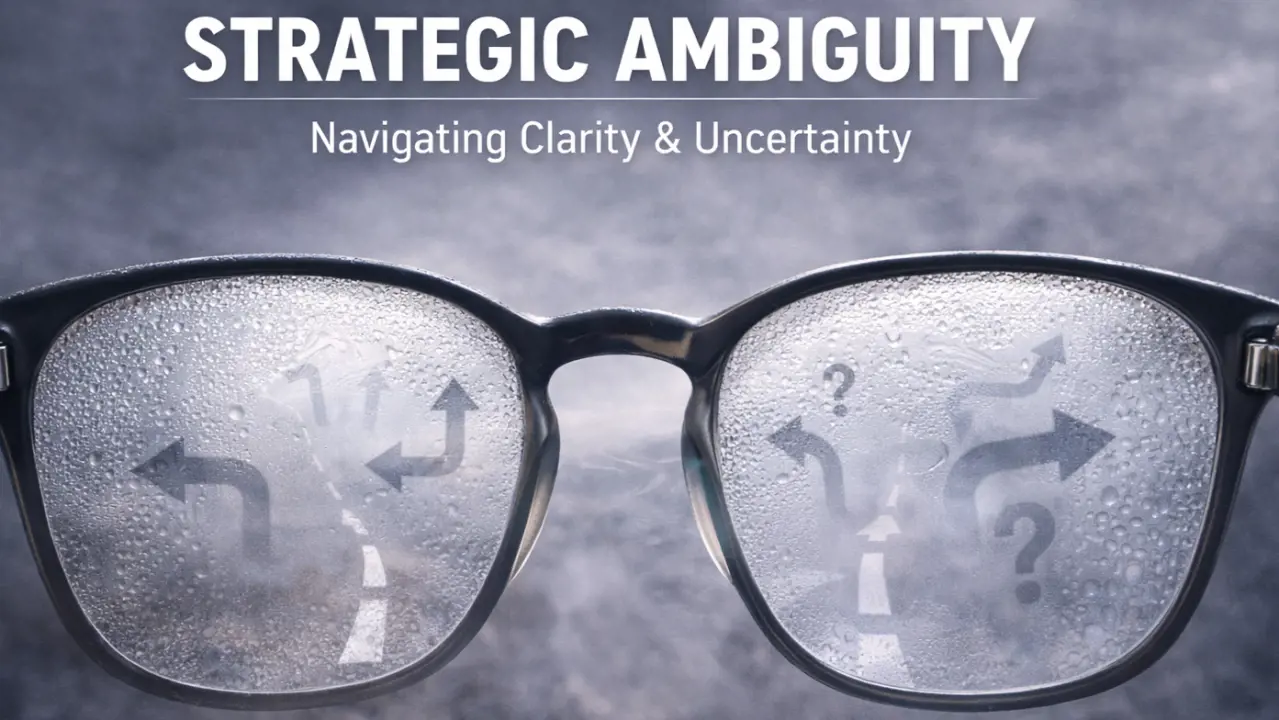
The Psychology of Strategic Ambiguity
Strategic ambiguity is not always a failure of communication. In some business environments, deliberately incomplete messages can protect flexibility, manage expectations, and prevent competitors from accurately anticipating future moves. This article explores the psychology behind ambiguity and its effects on investors, competitors, employees, and business partners.

The Psychology of Silence in Business Decisions
In many business decisions, what remains unsaid is just as important as what is actually voiced. Silence can signal trust, hesitation, fear, or power, or it can be an attempt to control the atmosphere of a negotiation. This article examines how silence, as a psychological behavior, influences negotiations, investments, and managerial decisions.
The Success Trap
Success can be dangerous when it stops being a lesson and starts becoming an identity. The “Success Trap” explains how past victories can create overconfidence, blind us to changing conditions, and make us repeat strategies long after they stop working. For WBO, real business maturity means staying curious, questioning assumptions, and continuously testing whether yesterday’s success still applies today.
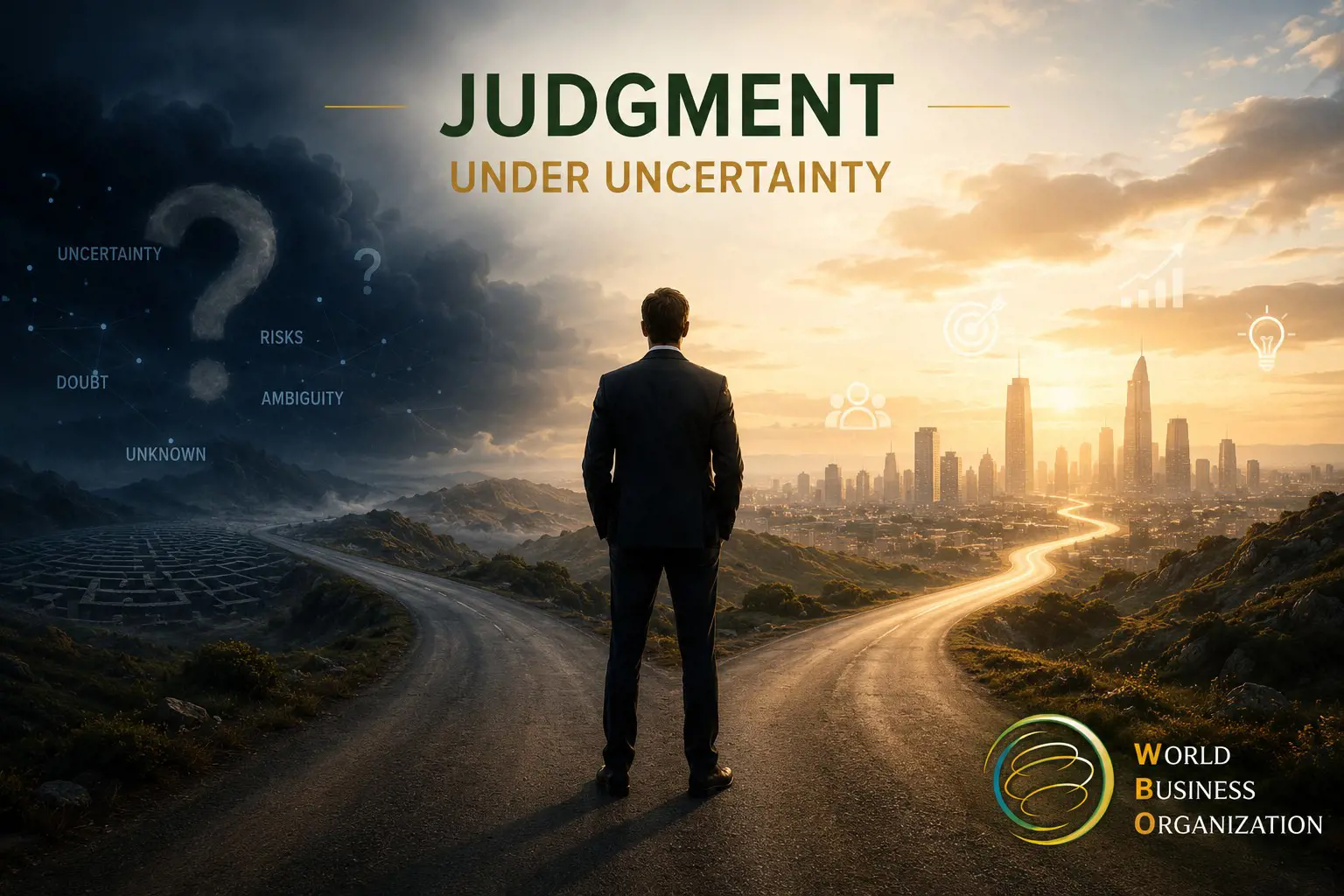
Judgment Under Uncertainty:
In the age of artificial intelligence, information and analytics are becoming increasingly accessible to everyone, making them less of a competitive advantage. This article explores why the true differentiator for modern entrepreneurs is the ability to exercise sound judgment under uncertainty, combining critical thinking, strategic vision, and human insight with the power of AI to make better decisions in an unpredictable world.
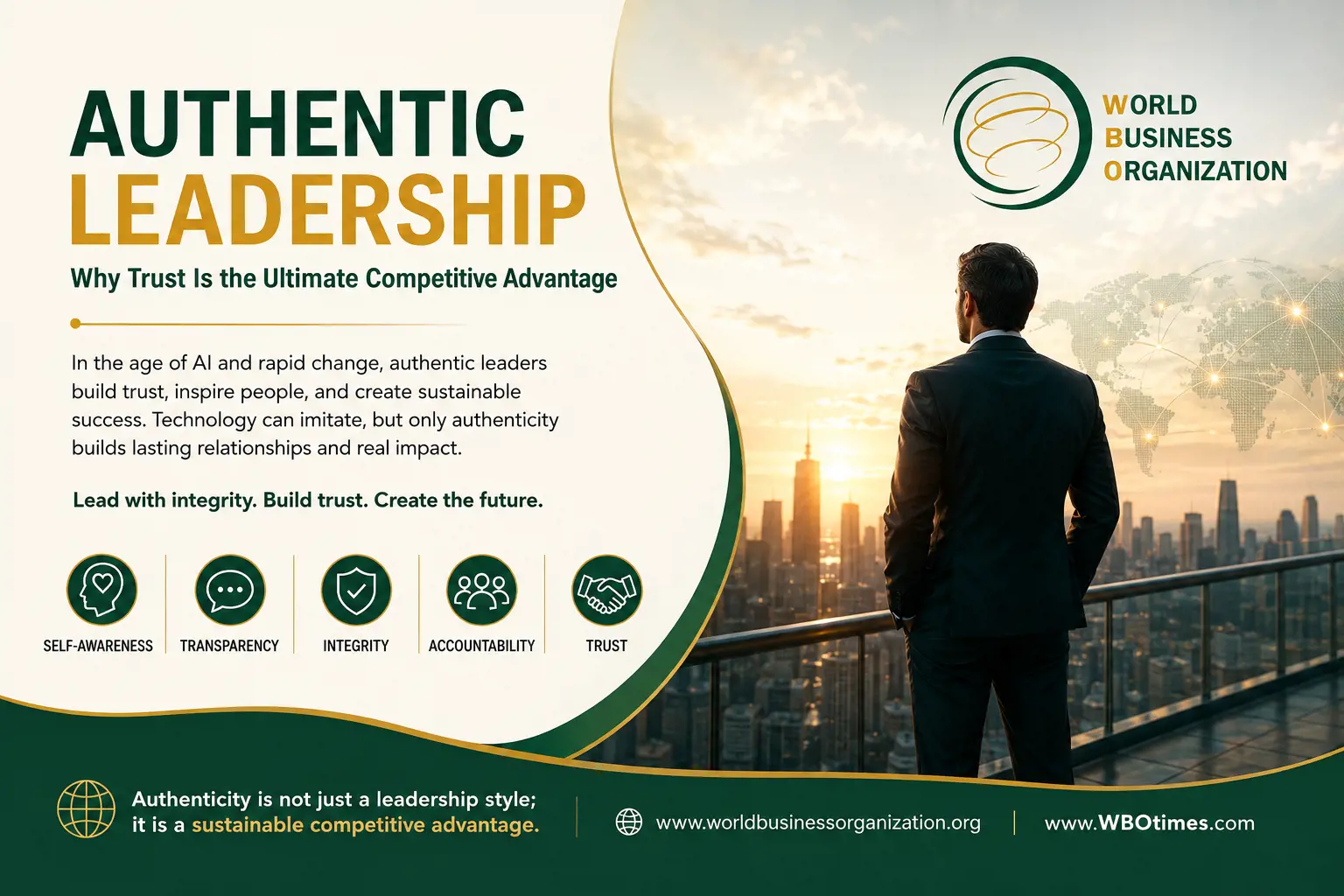
Why Trust Is the Ultimate Competitive Advantage؟
Authentic leadership is built on trust, integrity, and transparency—qualities that technology can never replace. In the age of AI, entrepreneurs who lead with authenticity create stronger relationships, inspire confidence, and build organizations that achieve sustainable success through credibility rather than technology alone.